
No products in the cart.

Discovering binoculars that balance clear optics, rugged performance, and affordability is an art—especially when navigating Sri Lanka’s varied landscapes. Whether you’re trekking through Yala’s dry zones, birding along the coast, or simply exploring scenic viewpoints, the ideal pair is one that delivers value in every context.
At Colper.lk, our aim is to help you find that sweet spot where price meets performance—in models built for clarity, comfort, and lasting reliability. No matter your level, making informed choices pays off in every framed view.
What Determines Binocular Price Brackets in Sri Lanka?
Binoculars are grouped into price tiers, but true performance relies on more than just cost. Basic budget options—typically porro prism models in 8×42 configurations—are surprisingly bright and sharp for their price. Mid-tier units often employ roof prisms, offering compactness and ergonomic handling, frequently with better weather sealing. Premium models bring advanced elements like ED glass, phase‑corrected prisms, and superior coatings—but with significantly higher price tags.
Rather than chasing magnification, evaluating how binoculars perform in local conditions—humid jungles and bright coastal areas—helps match budget to real-world utility.
How Prism Design Influences Price and Viewing Quality
Knowing whether your binoculars use porro prism or roof prism design reveals a lot about expected performance at different costs. Porro prisms, with their offset structure, often deliver better image depth and brightness at a lower manufacturing cost. They tend to excel in low-light conditions common to early-morning birdwatching in reservoirs and forests.
Roof prisms, however, enable slimmer, more rugged designs and lighter weight—ideal for hikers moving through trail networks like those in Horton Plains or Knuckles. Achieving high optical performance in roof prism binoculars requires added coatings and precise manufacturing, which raises the price.
When comparing options, shortlist models with optical performance that matches their design type—porro performance versus roof finesse—and review how coatings or prism types affect price tags.
Coatings, Glass Quality, and Value at Various Budgets
Price tier differences are often rooted in glass type and coatings. Entry-level models use simple anti-reflective coatings and standard optical glass. Mid-range models may introduce multi-layer dielectric or silver coatings and phase‑corrected prisms, enhancing brightness and contrast. ED (Extra‑Low Dispersion) or HD glass significantly reduces color fringing and boosts sharpness, but often appears in higher-end ranges.
In Sri Lanka, where light conditions shift quickly—from dense canopy shade to sunlit wetlands—the extra clarity from premium coatings may be worth moderate additional expense. If perched wildlife or distance viewing is a priority, selecting a model with ED glass or superior coating can improve both clarity and enjoyment.
Aligning Features with Actual Use
Although specs like magnification and lens diameter are easy to compare, your binoculars’ daily usability defines value. Ask yourself:
- Will I be hiking for hours? In that case, weight and grip matter.
- Am I watching wildlife in humid zones? Waterproof, fog-proof models are essential.
- Do I need long eye relief for glasses or wide field of view for birding?
Perhaps compact roof-prism models suit trail walkers, while porro-based 10×42s deliver better brightness at a comparable price—even if bulkier. When you prioritize features based on lifestyle and terrain, a mid-range binocular may outperform a pricier but mismatched alternative.
Additional Considerations: Tripod Fitting, Focus Quality
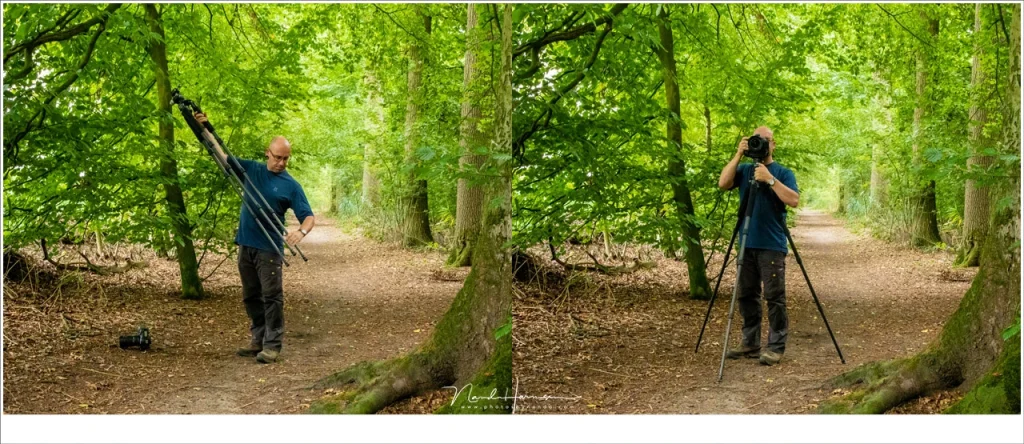
The price often reflects extras like tripod adaptability, focus mechanisms, and overall build finesse. Binoculars with tripod-compatible threads may cost a bit more but deliver added flexibility for long observation sessions—ideal for bird counts, stationary wildlife spotting, or astronomy.
Focus wheels also make a noticeable difference. Smooth, responsive central focus knobs—especially those with textured or rubberized grips—offer better control in humid mornings or low-light conditions. Precision in focus not only sharpens your view but reduces eye strain during long usage.
Other add-ons such as twist-up eyecups, locking diopter adjustments, or shock-resistant casing can also enhance comfort and durability, particularly for users trekking through rugged trails or uneven terrain. While these features might not be essential, they often signal thoughtful design that adds long-term usability—making a mid-range model feel premium in actual use.
Matching Price to Purpose: Filters to Guide Your Pick
To simplify choices:
- Casual observation or travel: Casual observation or travel: 8×42 porro prism models are cost-effective, forgiving, and bright.
- Frequent birding or long treks: mid-tier roof prism 8×42 or 10×42 with dielectric coatings or ED glass provide portability, clarity, and protection.
- Dedicated wildlife watching or technical use: premium models with HD glass, field-flattening optics, wide visual fields, and robust mechanical build justify higher investment.
Keep in mind that higher magnification like 12× or 15× offers reach but comes with image shake and narrower view. Many Sri Lankan birders find 8× or 10× models deliver better balance of clarity, comfort, and stability.
Looking Beyond Price: What Truly Adds Value
Ultimately, smart buying means interpreting the interplay between specs and your terrain. A well-made porro prism unit may outperform higher-cost but lighter binoculars if you primarily view in forests or muddy wetlands. On the other hand, if you hike long distances or work in changing weather, a sealed roof prism pair with good ergonomics and focus performance may be worth more.
Appreciating those practical trade-offs mirrors the insight shared in decisions around roof versus porro prism systems—even when budget constraints differ.
By focusing on real-world performance—not only price or magnification—you ensure that your investment returns genuine viewing clarity, comfort, and durability.
Clarity Pays Off in Every View
Sri Lanka teems with spectacles—the flutter of birds in Anawilundawa, the shifting coats of elephants in Minneriya, the silhouette of islands off the southern coast. Your binoculars should amplify these moments without letting budget or design limit you. At Colper.lk, we curate optics to combine quality, utility, and affordability—tailored for local terrain and seasonal shifts.
From durable porro classics to red‑coated roof prisms, we help you assess real value—not just features. Browse our range, compare reviews, and align focus on what truly matters: clarity, confidence, and visual comfort.
If you’re ready to explore optical choices based on terrain, habit, or budget, we’re here to guide every lens adjustment and price point—with clarity that lasts as long as your views.